
Building Cities
The evolution of the next big thing

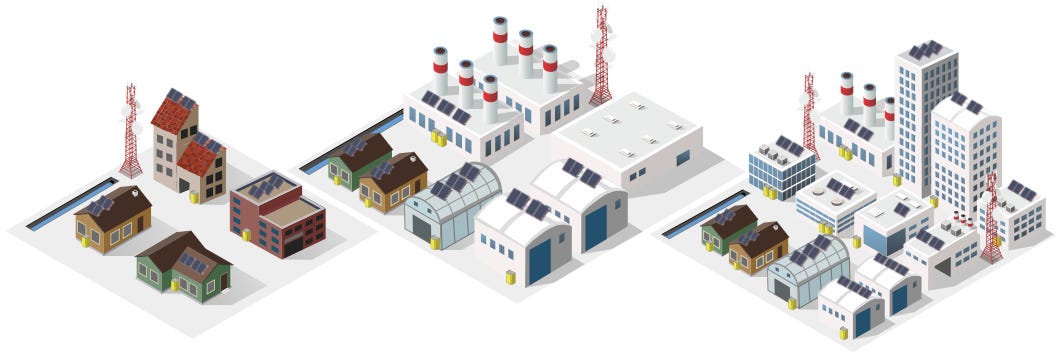
The development of cities from tertiary market to the “next big thing” is always an interesting story. It starts with primary industry growth but then the city has to nurture that growth with appropriate refinement of regulation, navigate NIMBYsm and foster the right type of infrastructure development.
One of the great growth stories of the past 20 years is Austin, Texas. Austin's transformation from a "sleepy" state capital and university town to a booming tech hub has been a dramatic story of rapid growth, often accompanied by growing pains in its downtown, infrastructure, and regulatory landscape. Here's a walk-through in 5-year intervals:
1995: A Budding Tech Scene
Downtown: Downtown Austin was still relatively low-rise, with a focus on government buildings, the university, and a burgeoning live music scene. It was far from the dense urban core it would become. Lady Bird Lake (then Town Lake) was undergoing beautification efforts with trails and green spaces.
Infrastructure: Infrastructure was largely adequate for its population size. Road networks were in place, but not yet experiencing the intense congestion that would follow. Public transit was nascent.
Zoning & Housing Regulation: Zoning was generally more restrictive, with a strong emphasis on single-family zoning, particularly in central areas. Housing regulations largely favored maintaining neighborhood character and lower densities. The "if you don't build it, they won't come" mindset was prevalent.
Tech Impact: Austin already had a foundation in tech with companies like Dell, IBM, Motorola (now NXP), and AMD. The 1990s saw significant growth in the semiconductor and software industries, attracting talent and laying the groundwork for future expansion.
2000: Dot-Com Boom and Bust
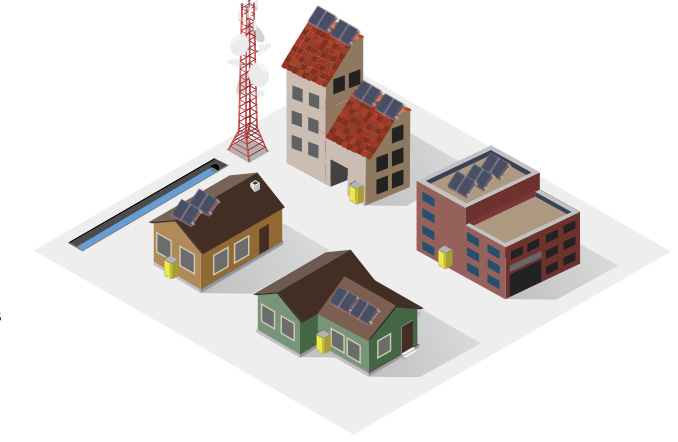
Downtown: Some new office and residential projects began to appear, but the skyline was still relatively modest. The dot-com boom brought a surge of energy and investment, though it was largely focused on suburban office parks.
Infrastructure: Traffic began to become a more noticeable issue as the population grew, straining existing road networks. Efforts were underway to expand utility infrastructure.
Zoning & Housing Regulation: Limited major changes in zoning, still primarily focused on existing patterns. Housing regulations remained relatively static, and the housing supply began to feel the pinch of increased demand.
Tech Impact: The tech sector experienced a massive employment growth of 125% from 1990 to 2000. However, the dot-com bust in the early 2000s led to significant job losses in the tech sector, showing Austin's vulnerability to market fluctuations.
2005: Recovering and Re-evaluating
Downtown: The downtown area started to see more sustained development, with new residential and mixed-use projects aiming to create a more vibrant urban core. There was a renewed focus on attracting businesses to downtown.
Infrastructure: Congestion continued to be a challenge. Discussions around improving public transportation and expanding major roadways gained traction.
Zoning & Housing Regulation: The city began to recognize the need for more housing and more flexible zoning, but significant, widespread changes were still difficult to implement due to community resistance and a complex land development code.
Tech Impact: Austin's tech sector began to recover from the dot-com bust, showing its resilience. The focus shifted somewhat to software-centric products and services, and the city continued to foster an entrepreneurial environment.
2010: The Rise of the Urban Core
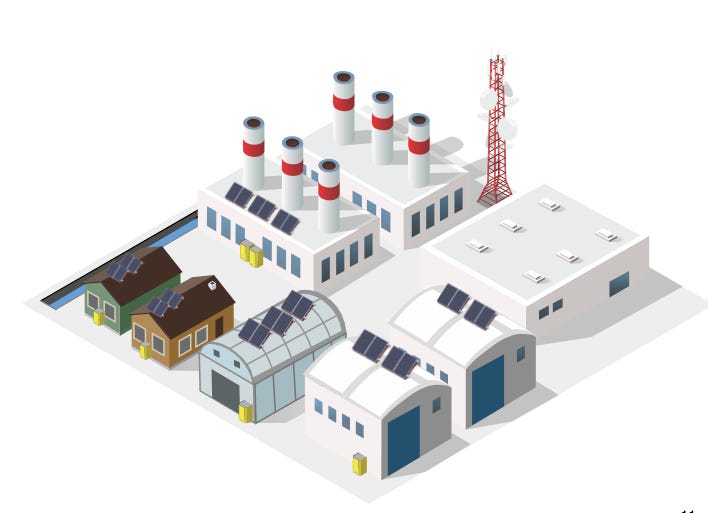
Downtown: Downtown Austin truly began its vertical ascent. High-rise residential towers and office buildings became increasingly common, transforming the skyline. The appeal of urban living grew, drawing in a younger, tech-savvy workforce.
Infrastructure: Traffic was a persistent and worsening problem. Efforts to expand highways and explore mass transit options became more urgent. The need for improved infrastructure to support the growing population was widely acknowledged.
Zoning & Housing Regulation: While some incremental changes were made, comprehensive land development code reform proved challenging, often facing legal hurdles and public opposition. There was a growing awareness of the housing affordability crisis, and discussions around density bonuses for affordable housing began.
Tech Impact: The 2010s saw the beginning of a major influx of large multinational tech companies setting up significant operations or headquarters in Austin, including Google, Facebook (Meta), and Apple. This accelerated job growth and attracted even more talent.
2015: Hyper-Growth and Affordability Crisis
Downtown: Downtown Austin was a construction zone, with cranes dotting the skyline. It became a desirable location for major tech company offices, further driving up property values and demand for housing.
Infrastructure: Infrastructure struggled to keep pace with the rapid population growth. Traffic became legendary, and public transit options were often seen as insufficient. Water and wastewater infrastructure also faced increased demand.
Zoning & Housing Regulation: The housing affordability crisis became acute. The city continued to grapple with an outdated land development code. While there were pushes for more density and less restrictive zoning, significant resistance from some community groups meant slow progress. "Compatibility setbacks" and minimum parking requirements were often cited as barriers to more affordable and dense development.
Tech Impact: Austin solidified its reputation as a major tech hub. The high-paying tech jobs attracted a large number of newcomers, contributing significantly to the city's economic boom but also exacerbating housing shortages and increasing the cost of living.
2020: Pandemic Acceleration and Continued Growth
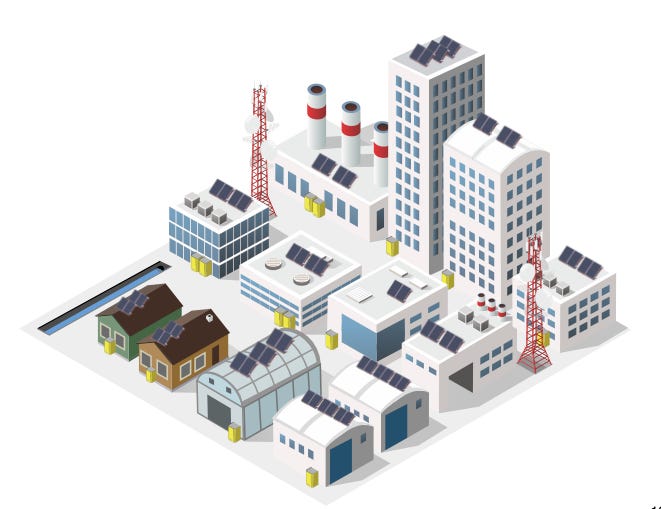
Downtown: Despite the initial uncertainty of the pandemic, downtown Austin continued to expand, with new towers being completed and planned. The rise of remote work during the pandemic further fueled migration to Austin, as people sought a higher quality of life and perceived affordability (relative to coastal tech hubs).
Infrastructure: Infrastructure challenges remained, with ongoing debates about transportation solutions like light rail and highway expansion. The city continued to invest in utilities.
Zoning & Housing Regulation: The housing crisis deepened. The city council made more concerted efforts to reform the land development code, with initiatives like "Affordability Unlocked" (2019) providing incentives for affordable housing in exchange for relaxed restrictions. Discussions around allowing more housing types in single-family zones intensified.
Tech Impact: The pandemic accelerated the migration of tech workers and companies to Austin. Companies like Tesla and Oracle made major moves, further diversifying and expanding the tech ecosystem. Austin's tech workforce grew significantly, even amid global tech downsizing in some areas.
2025: Addressing the Legacy of Growth
Downtown: Downtown Austin is a vibrant, dense urban center with a significantly transformed skyline. New projects continue to be developed, with a focus on mixed-use buildings and pedestrian-friendly spaces.
Infrastructure: The city is actively pursuing major infrastructure projects, including Project Connect for public transit (light rail). Road improvements are ongoing, but traffic remains a significant concern.
Zoning & Housing Regulation: Austin has made notable strides in addressing its housing affordability crisis through recent regulatory changes. The "Home Options for Mobility and Equity" (HOME) code amendments (approved in phases, some as recently as 2024-2025) are allowing up to three units on single-family lots, revising regulations for two-unit properties, and removing restrictions on the number of unrelated adults in a housing unit. Minimum lot sizes have been reduced, and compatibility setbacks are being re-evaluated to encourage vertical growth along corridors. Density bonus programs for affordable housing are more established.
Tech Impact: Austin remains a major tech hub, though the pace of hyper-growth has somewhat stabilized. The city's economy is increasingly diversified beyond just tech, but the tech sector continues to be a vital component, attracting talent and investment. The impact of remote work on office space and downtown vitality is still being observed. The ongoing challenge is to manage continued growth while preserving Austin's unique character and ensuring affordability for its residents.
Austin's journey from a modest state capital to a global tech powerhouse is a testament to the powerful interplay of economic opportunity, urban development, and regulatory adaptation. While the rapid influx of tech companies and talent fueled unprecedented prosperity and transformed its skyline, it also brought significant challenges in infrastructure, traffic, and, most acutely, housing affordability. The city's ongoing efforts to reform its land use policies, invest in public transit, and encourage diverse housing options reflect a critical shift towards managing the legacy of hyper-growth. Austin's future hinges on its ability to balance continued economic dynamism with sustainable, equitable development, ensuring that its unique culture and quality of life remain accessible to all its residents amidst ever-evolving urban pressures.
Austin’s rise shows that becoming ‘the next big thing’ is only half the battle, sustaining it without eroding livability is the real test.
Regulatory reform and infrastructure investment are finally catching up, but the city’s long-term success will depend on whether affordability can be preserved while keeping the economic engine running